
Baby Not Eating? Common Reasons and 4 Easy Fixes
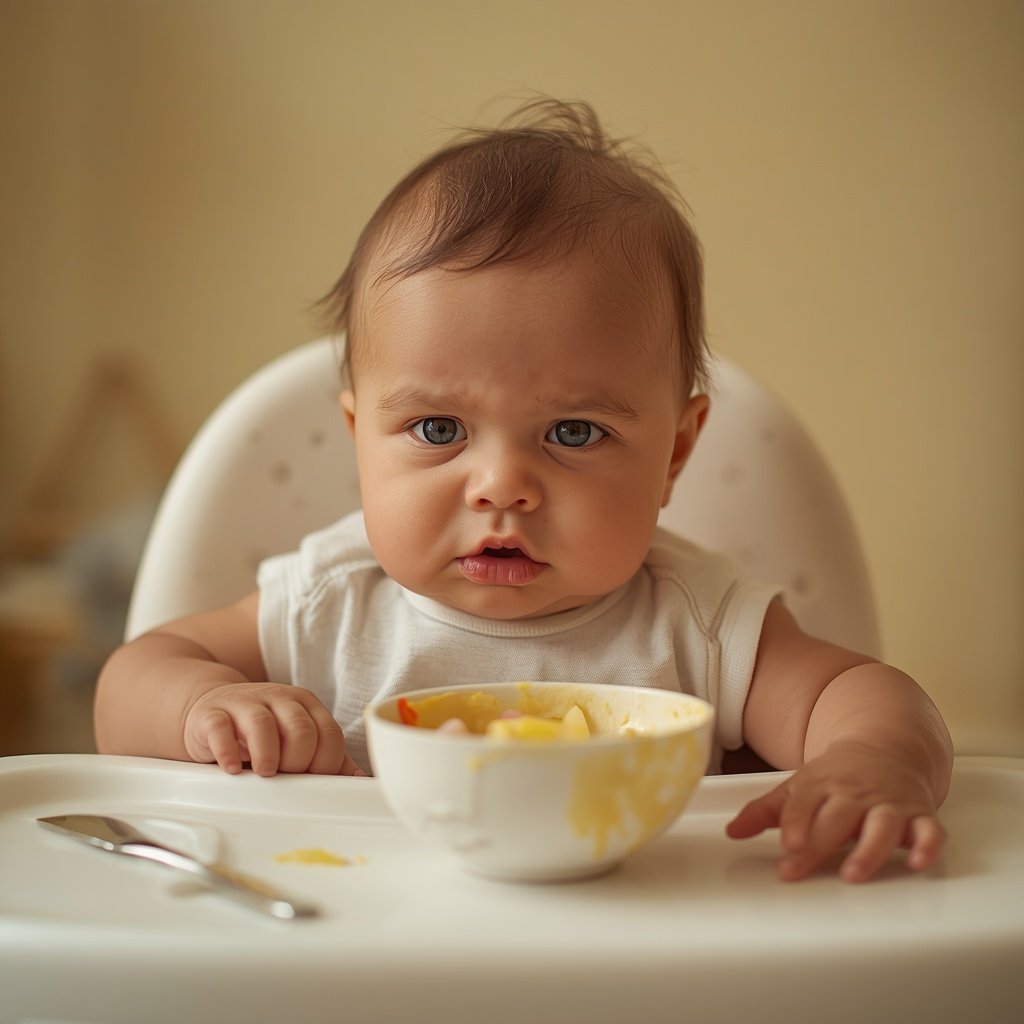
Are you currently experiencing the stress and worry that arises when your baby not eating solids or rejecting meals leaves you concerned about their daily nutrition? Sudden drops in appetite, mealtime resistance, and food strikes are incredibly common during the first year of life. As infants grow, their metabolic demands change, causing their appetite to fluctuate naturally from day to day based on physical growth spurts and developmental milestones.
A baby not eating is usually a reaction to normal growth rate slowdowns (which occur after 6 months), teething discomfort, minor illness, or schedule issues like excessive milk intake. To fix this, space milk feeds away from meals, offer cold foods for teething gums, and never force-feed.
Every parent understands the deep anxiety that comes when your baby not eating meals makes you wonder if they are receiving enough calories to thrive. In infancy, feeding is a primary focus of daily care, and sudden changes in appetite can feel incredibly alarming.
However, infant appetites are not linear. Their hunger is driven by internal biological cues that shift as they master new motor skills, cut teeth, or experience changes in their rate of growth. By taking a structured approach to analyzing their daily routine, you can identify the exact reason for their refusal and apply a gentle fix.
Why Is My Baby Not Eating Solids Suddenly?
Before you can resolve a drop in appetite, you must identify the primary trigger behind your baby’s food rejection. Infant appetites are highly sensitive to physiological discomfort, environmental distractions, and developmental milestones.
Below is a detailed breakdown of the most common reasons why babies temporarily refuse food, along with direct pediatric recommendations:
- 1. Teething and Oral Discomfort
- Scientific Explanation: Erupting primary teeth cause localized gum inflammation, swelling, and sensitivity. Sucking on warm milk or chewing on warm foods increases blood flow to the gums, intensifying the pain.
- Actionable Fix: Serve cold or chilled purees, or offer frozen fruit in a silicone feeder bag to soothe their gums before offering a meal.
- 2. Biological Growth Rate Slowdown
- Scientific Explanation: An infant’s growth rate is highest during the first six months. After six months, their growth curve naturally tapers off, leading to a biological drop in caloric needs and appetite.
- Actionable Fix: Look at their food intake over a weekly span rather than a single day; trust their natural self-regulation of hunger.
- 3. Excessive Milk Consumption
- Scientific Explanation: If a baby drinks too much breast milk or formula during the day, their small stomach remains constantly full, leaving them with no appetite for solids.
- Actionable Fix: Space milk feedings by at least 2 to 3 hours before offering solid foods, and limit juice or water grazing.
- 4. Sensory Overstimulation and Distractions
- Scientific Explanation: As babies reach 6 to 12 months, their cognitive development makes them highly aware of their surroundings. They would rather explore and play than sit to eat.
- Actionable Fix: Establish a neutral feeding environment by turning off all screens, dimming bright lights, and using a continuous white noise machine.
- 5. Recovery from Minor Illnesses
- Scientific Explanation: Minor viral infections, congestion, or ear pain temporarily suppress an infant’s taste, smell, and appetite.
- Actionable Fix: Prioritize hydration with breast milk, formula, or small sips of water; do not force solid foods until they recover.
How Does a Growth Spurt Slowdown Impact a Baby Not Eating?
Many parents are surprised when their baby, who previously ate purees with enthusiasm, suddenly becomes uninterested in food around 9 to 12 months. This is almost always related to a natural physiological growth slowdown.
During the first six months, babies double their birth weight. In the second six months, their growth rate drops by half, and it slows even further after their first birthday.
Consequently, their caloric needs per pound of body weight decrease. A baby who is not eating as much is often simply matching their intake to their current metabolic rate, which is a sign of healthy self-regulation.
What Are the Best Fixes for a Baby Not Eating?
Expanding your baby’s appetite requires a low-pressure feeding environment and proper scheduling.
Here are the four most effective, pediatrician-approved methods to encourage healthy eating:
Method 1: Adjust the Milk-to-Solids Ratio
If milk fills your baby’s feeding style and stomach, they will not be motivated to explore solids.
- The 1-Hour Rule: Always wait at least 60 minutes after a milk feed before offering solid foods.
- Target Ratios: Ensure their daily milk intake does not exceed age-appropriate limits, allowing them to experience natural hunger before mealtime.
Method 2: Use the “Drowsy/Sleepy Feed” for Solids
If your baby is highly distracted, utilize their sleepy transitions.
- Post-Nap Offerings: Offer solid foods shortly after they wake up from a nap. They are typically calm, well-rested, and less distracted by their surroundings.
Method 3: Serve Cold Sensory Foods
Address teething pain directly using temperature transitions.
- Chilled Textures: Offer cold yogurt, unsweetened applesauce, or chilled cucumber slices (cut safely). The cold temperature acts as a natural numbing agent for sore gums.
Method 4: Follow the 15-Exposure Rule
Never assume your baby dislikes a food after a single rejection.
- Persistent Offering: Continue serving rejected foods in small, low-pressure portions alongside familiar safe foods. It can take up to 15 exposures for a baby’s taste buds to accept a new flavor.
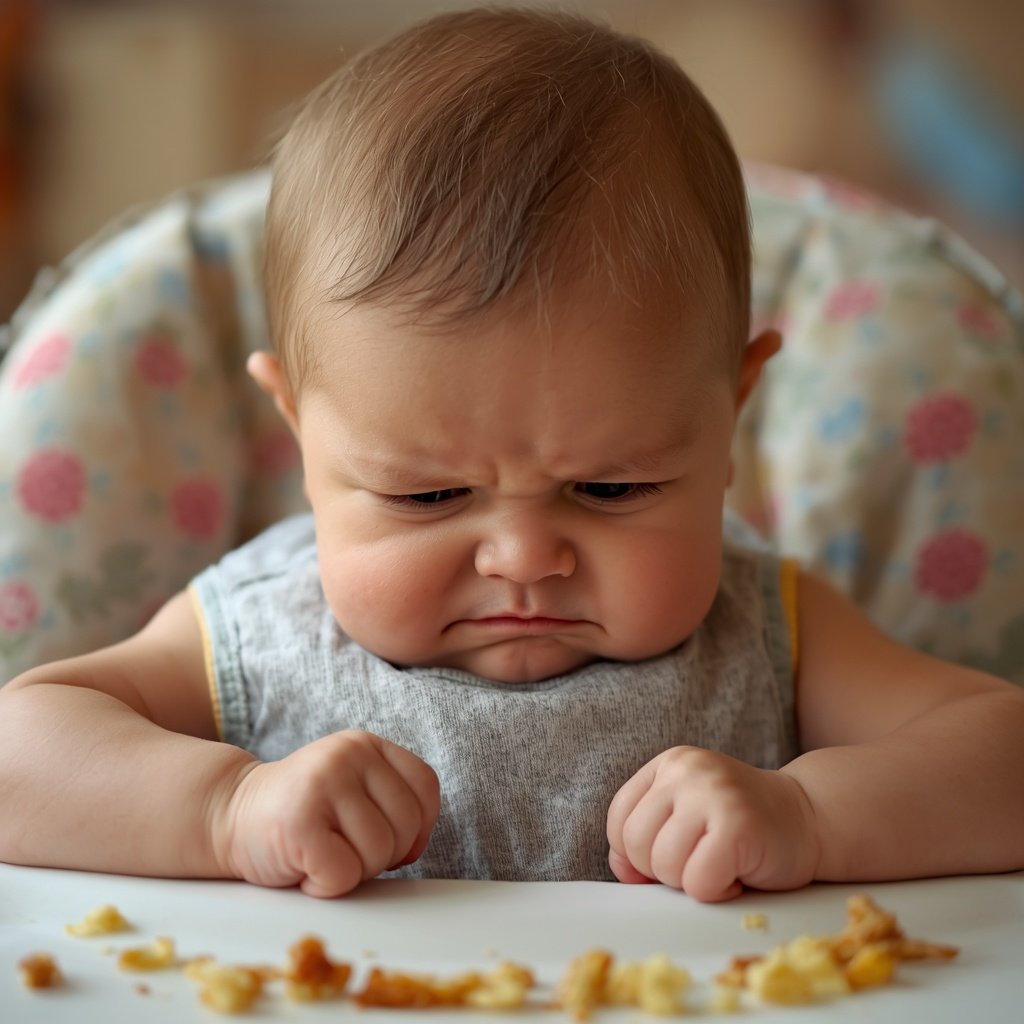
Baby Feeding Schedule Guidelines
To prevent milk from displacing solid foods, use these daily feeding structure targets by age:
Milk vs. Solids Daily Balance Targets
| Age Group | Daily Milk Volume (Ounces) | Daily Milk Volume (mL) | Recommended Solid Meals | Ideal Timing |
|---|---|---|---|---|
| 6–7 Months | 28 – 32 Ounces | 830 – 950 mL | 1 Meal per Day | Milk first, solids 1 hour later. |
| 8–9 Months | 24 – 30 Ounces | 710 – 890 mL | 2 Meals per Day | Focus on iron-rich finger foods. |
| 10–12 Months | 16 – 24 Ounces | 470 – 710 mL | 3 Meals + 1 Snack | Family meals at the table. |
When Should Parents Consult a Doctor About a Baby Not Eating?
While temporary appetite drops are normal, chronic food refusal can lead to rapid dehydration and weight loss in young children.
Consult your pediatrician immediately and get a parent-child guide if your baby exhibits any of the following clinical warning signs:
- Fewer Than 6 Wet Diapers in 24 Hours: A significant drop in urine output is the primary indicator of moderate to severe dehydration.
- No Tears and Dry Mouth: Crying without producing tears, dry or cracked lips, or a sunken soft spot (fontanelle) on their head.
- Dropping Percentiles on Growth Charts: A visible drop in height or weight percentiles during wellness checks, indicating a failure to thrive.
- Extreme Lethargy: The baby appears unusually weak, sleepy, difficult to wake, or does not engage with caregivers.
FAQ: Frequently Asked Questions About Appetite Loss
Q1: Why is my baby suddenly refusing to eat solids?
A: This is usually due to developmental changes, teething pain, or a normal slowdown in their growth rate. If they are cutting teeth, sucking and chewing cause pain. If their growth has slowed, their caloric needs naturally decrease.
Q2: How do I know if my baby is not eating due to illness?
A: If your baby is sick, their appetite loss will be accompanied by other symptoms like congestion, fever, coughing, diarrhea, or unusual fussiness. Focus on hydration with formula or breast milk and do not force solids.
Q3: What should I do if my baby only wants to drink milk?
A: Audit their daily milk intake. If they drink more than 32 ounces of milk daily, they will not be hungry for solids. Gradually reduce their milk intake to age-appropriate levels and space milk feeds 1 hour away from meals.
Q4: Can teething cause a baby to stop eating for a week?
A: Teething can cause food refusal, but usually only for 3–4 days when the tooth is actively cutting through the gums. If food refusal lasts longer than a week, it is likely related to scheduling issues or sleep habits.
Q5: Should I feed my baby if they refuse to feed themselves?
A: If you are practicing Baby-Led Weaning and your baby refuses to self-feed, do not force-feed them with a spoon. This can cause feeding aversion. Offer soft purees as an alternative, allowing them to lead the pace.
Q6: Why does my baby throw their food on the floor?
A: Food throwing is a normal boundary test. It can also indicate they are full or bored. Avoid reacting strongly, as this rewards the behavior. Calmly remove the plate and end the meal if they continue throwing.
Q7: Can a baby go to bed hungry if they refuse dinner?
A: Yes, a healthy baby will not starve from skipping a single meal. If they refuse dinner, do not offer snacks or extra milk immediately, as this teaches them they can reject meals for preferred treats. Offer breakfast early the next day.
Q8: How many times should I offer a food before giving up?
A: Do not give up. It can take up to 15 exposures for a baby’s brain to accept a new food. Continue serving it in small portions alongside familiar safe foods without expecting them to eat it.
Q9: Can food neophobia start in infancy?
A: Food neophobia—the fear of new foods—typically starts around 12 months as babies become toddlers. In infancy (6–12 months), babies are generally open to new flavors, making it the ideal window to introduce variety.
Q10: What is the Division of Responsibility in feeding?
A: The Division of Responsibility is a feeding framework: the parent decides what, when, and where to eat, while the child decides whether and how much to eat. This eliminates mealtime pressure.
Q11: Can a food allergy cause my baby to stop eating?
A: Yes, if a food causes abdominal discomfort, gas, or reflux, the baby will associate eating with pain and refuse food. If your baby exhibits hives, vomiting, or diarrhea after meals, consult your pediatrician.
Q12: How long does a typical baby food strike last?
A: A typical food strike lasts between 2 to 5 days, usually triggered by teething or minor illness. If the strike lasts longer than a week or is accompanied by weight loss, seek medical advice.
Conclusion & Key Takeaways
Helping your baby navigate a temporary drop in appetite requires consistency, proper scheduling, and a low-pressure environment. By adjusting milk intake and focusing on developmental readiness, you can support their natural feeding habits.
Quick Reference Action Plan
- Rule Out Pain: Check for signs of teething, congestion, or minor illness before mealtimes.
- Space Out Feeds: Ensure milk feeds are spaced at least 60 minutes away from solid meals to build natural hunger.
- Do Not Force Eat: Follow the Division of Responsibility. Trust your baby’s ability to self-regulate their food intake.
- Prioritize Hydration: Monitor wet diapers and ensure your baby remains hydrated, especially during strikes.
Appetite fluctuations are a normal part of your baby’s growth. Stay patient, keep mealtimes relaxed, and enjoy exploring new foods together. You are doing a wonderful job, parent!

Isabelle Monroe
Isabelle Monroe is a devoted mom, passionate writer, and firm believer that there are no perfect parents only real ones. She writes honest, heartfelt content to remind every parent that simply showing up with love is always more than enough.
Isabelle Monroe
Isabelle Monroe is a devoted mom, passionate writer, and firm believer that there are no perfect parents only real ones. She writes honest, heartfelt content to remind every parent that simply showing up with love is always more than enough.

Get more inspiration
Subscribe for weekly simple insights to build deeper, healthier relationships with your children.